
Design-Build vs. Traditional Construction: What’s the Difference?
Choosing the right project delivery method is one of the most important decisions in industrial and municipal construction. Two of the most common approaches are design-build and traditional construction, and while both can deliver successful projects, they follow very different processes that affect timeline, cost, and communication.
Understanding how each method works can help project owners select the approach that best fits their goals.
At JL Bryson Inc., both planning and execution are guided by experience in industrial and municipal construction, fabrication, and installation services that support complex infrastructure projects.
What Is Traditional Construction?
Traditional construction, often called design-bid-build, separates the project into distinct phases. First, a design team creates the project plans. Once the design is complete, contractors submit bids to build the project, and a construction company is selected to carry out the work.
This method is widely used and offers a clear division between design and construction responsibilities.
What Is Design-Build Construction?
Design-build is a delivery method where one entity manages both the design and construction phases under a single contract. Instead of coordinating between separate design and construction teams, the project is handled as a unified process.
This approach allows for more direct communication and can streamline decision-making throughout the project lifecycle.
Key Differences Between the Two Methods
The biggest difference between design-build and traditional construction is how teams are organized and how communication flows throughout the project.
In traditional construction, design and construction are separate contracts, which can create delays when changes or clarifications are needed. In design-build, collaboration happens earlier and more continuously.
How Each Method Affects a Project
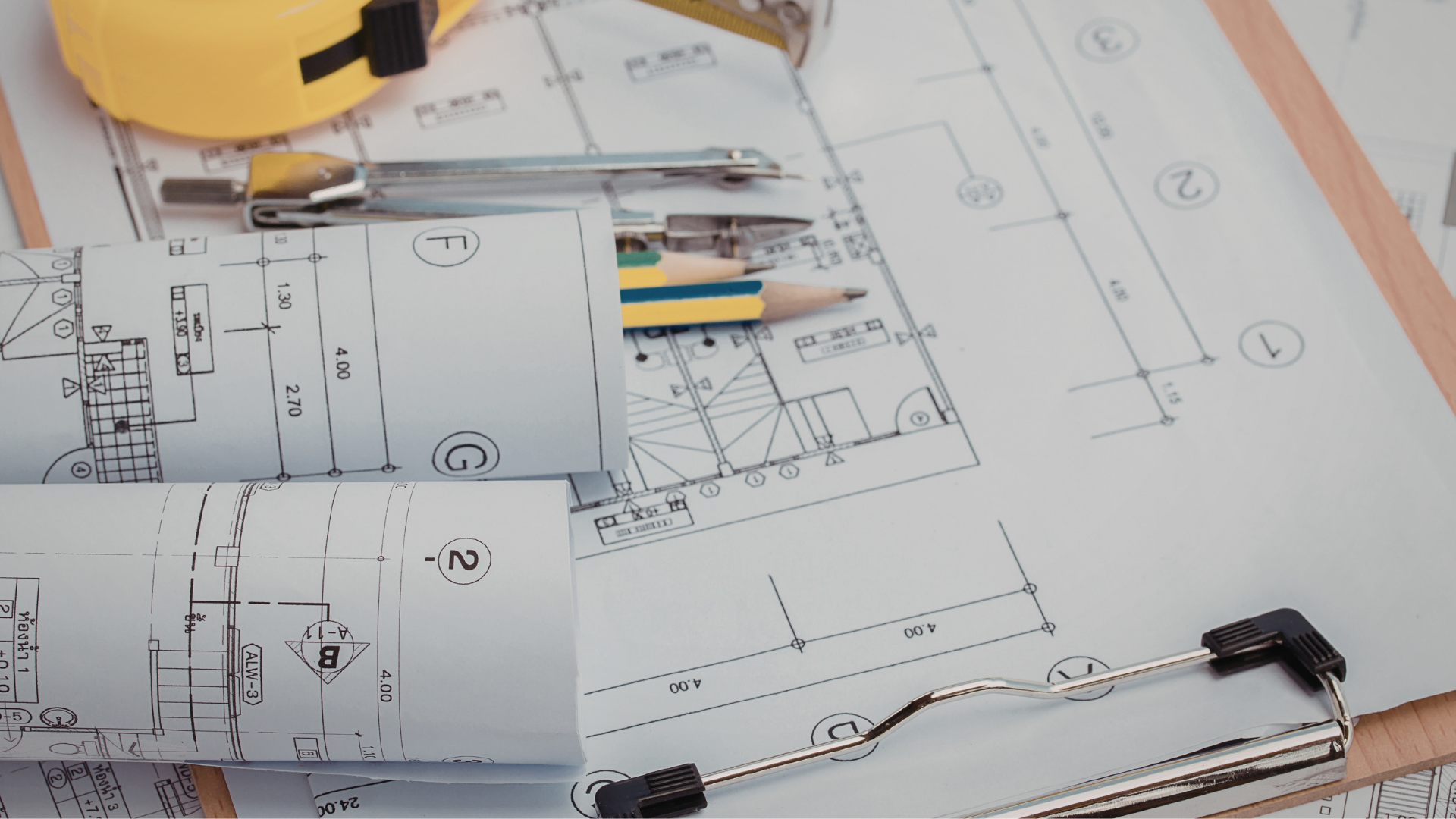
Both methods can produce high-quality results, but they impact project delivery in different ways:
Traditional construction often provides more owner control during design but may involve longer timelines due to sequential phases.
Design-build often improves speed and coordination but requires strong trust in a single team responsible for both design and construction.
Each approach has strengths depending on project complexity, budget, and schedule requirements.
Which Method Is Right for Your Project?
The best delivery method depends on the specific needs of the project. Traditional construction may be preferred when detailed design control is a priority. Design-build is often chosen when speed, coordination, and streamlined communication are important.
For industrial and municipal projects, early collaboration and clear planning can make a significant difference in overall efficiency and cost management.
Why Experience Matters
Regardless of the delivery method, successful construction depends on coordination, technical expertise, and reliable execution. Experienced contractors help ensure that designs are practical, constructible, and aligned with project goals.
JL Bryson Inc. provides industrial and municipal construction, fabrication, machining, and installation services that support both design-build and traditional project structures.
Need Help Choosing the Right Approach?
Whether you are planning a new facility, upgrading infrastructure, or starting a municipal construction project, understanding your delivery options is an important first step.
Contact JL Bryson Inc. to learn more about construction services and how to approach your next project with confidence.