
How Industrial Pipe Spools are Fabricated and Installed?
Industrial pipe spools are pre-assembled sections of piping systems used in a wide range of industrial and municipal projects. Instead of building entire piping systems piece by piece in the field, sections are fabricated in a controlled shop environment and then transported to the job site for installation. This approach improves accuracy, reduces installation time, and helps maintain consistent quality.
Pipe spools are commonly used in facilities such as water treatment plants, industrial processing plants, and infrastructure systems where reliable fluid transport is essential.
At JL Bryson Inc., pipe fabrication and installation are part of broader industrial and municipal construction services that support critical infrastructure projects.
What Is a Pipe Spool?
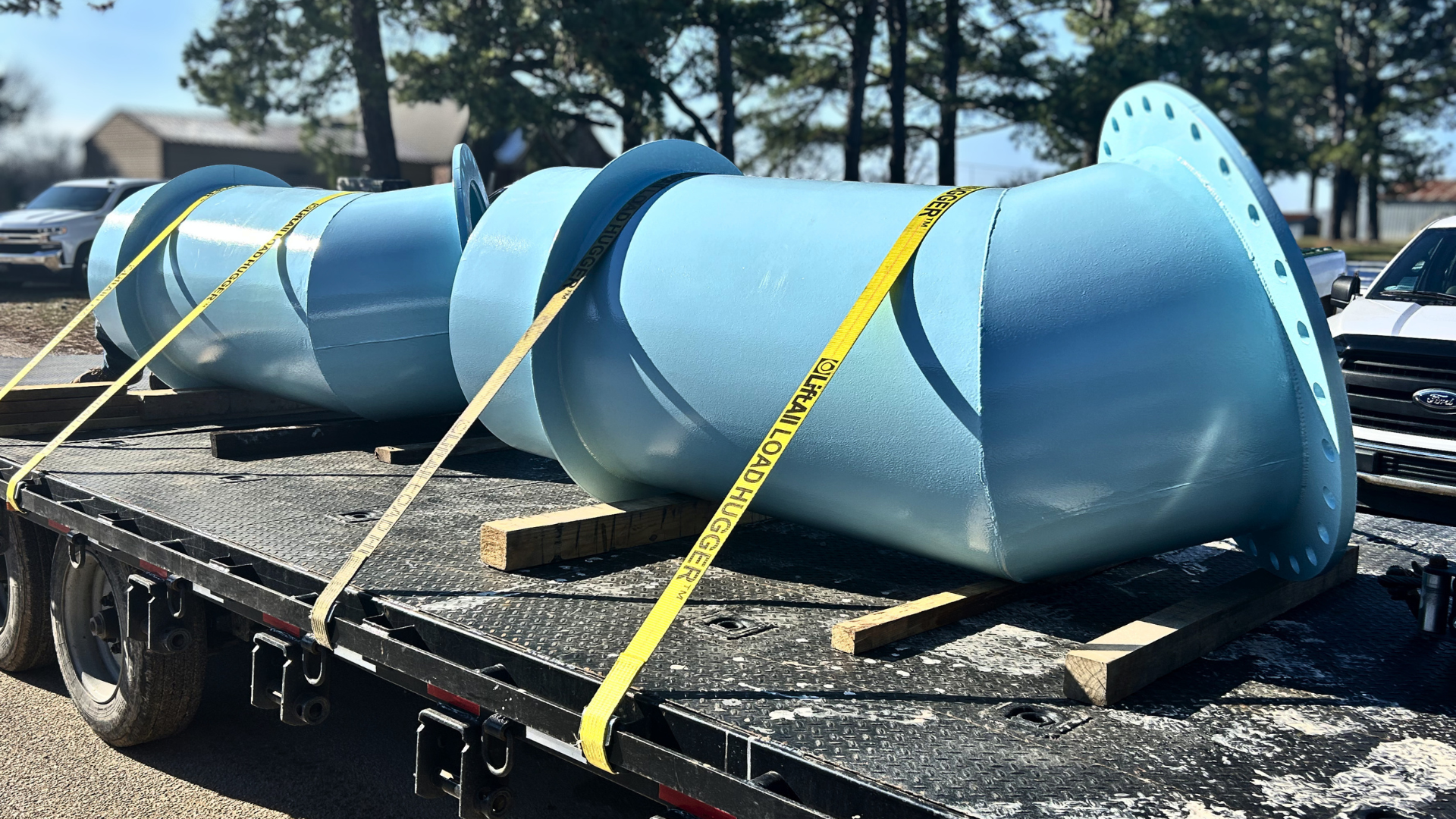
A pipe spool is a prefabricated section of a piping system made up of pipes, fittings, flanges, and sometimes valves. These components are assembled in a fabrication shop according to engineering drawings before being delivered to the construction site.
Pipe spools are used because they simplify installation and reduce the amount of work required in the field, where conditions can be more challenging and time-sensitive.
How Pipe Spools Are Fabricated
Pipe spool fabrication begins with detailed engineering drawings that define dimensions, materials, and layout. Once the design is finalized, fabrication teams prepare raw materials for assembly.
The process typically includes:
Cutting pipe to precise lengths based on specifications
Fitting components such as elbows, tees, and flanges
Welding and assembling each section in a controlled environment
After assembly, spools are inspected to confirm they match design requirements and meet quality standards before leaving the shop.
Why Shop Fabrication Matters
Fabricating pipe spools in a controlled environment improves both accuracy and safety. It also reduces delays that can occur when performing complex welding or assembly work in the field.
Shop fabrication helps:
Improve weld quality and consistency
Reduce on-site labor and installation time
Minimize weather-related construction delays
This process is especially important in industrial and municipal projects where downtime or installation errors can be costly.
How Pipe Spools Are Installed
Once fabricated, pipe spools are transported to the project site for installation. Each spool is positioned according to project plans and connected to the larger piping system using flanges or field welds.
Installation typically involves aligning each spool carefully to ensure proper fit and flow direction. Once in place, systems are tested to confirm they operate correctly and meet project specifications.
Proper installation is essential for long-term system performance, especially in facilities that rely on continuous operation.
Why Quality Matters in Pipe Spool Projects
The performance of a piping system depends heavily on the quality of both fabrication and installation. Poorly fabricated or improperly installed spools can lead to leaks, misalignment, and system inefficiencies.
Experienced fabrication and construction teams help ensure that every spool is built accurately, inspected thoroughly, and installed correctly in the field.
JL Bryson Inc. provides industrial and municipal fabrication, machining, and construction services designed to support reliable piping systems and infrastructure projects.
Need Support for Your Next Piping Project?
Whether you are planning a new facility, upgrading existing infrastructure, or expanding a municipal system, high-quality pipe spool fabrication is essential for long-term performance.
Contact JL Bryson Inc. to learn more about pipe fabrication, installation, and other industrial construction services.