
Common Problems Found in Aging Water and Wastewater Infrastructure
Across many municipalities and industrial facilities, water and wastewater systems are operating far beyond their original design life. Much of this infrastructure was built decades ago and is now experiencing wear, reduced efficiency, and increased failure rates. As systems age, the risk of service interruptions, environmental impacts, and costly emergency repairs increases significantly.
At JL Bryson Inc. we see firsthand how aging infrastructure creates ongoing challenges for municipalities and industrial operators, especially when systems require upgrades, repairs, or full replacement.
Why Aging Infrastructure Becomes a Problem
Water and wastewater systems are designed for long-term service, but they are not built to last indefinitely without maintenance or upgrades. Over time, materials degrade, demand increases, and original system capacity may no longer meet current needs.
As infrastructure ages, small issues often develop into larger system-wide problems if they are not addressed early.
Common Problems in Aging Systems
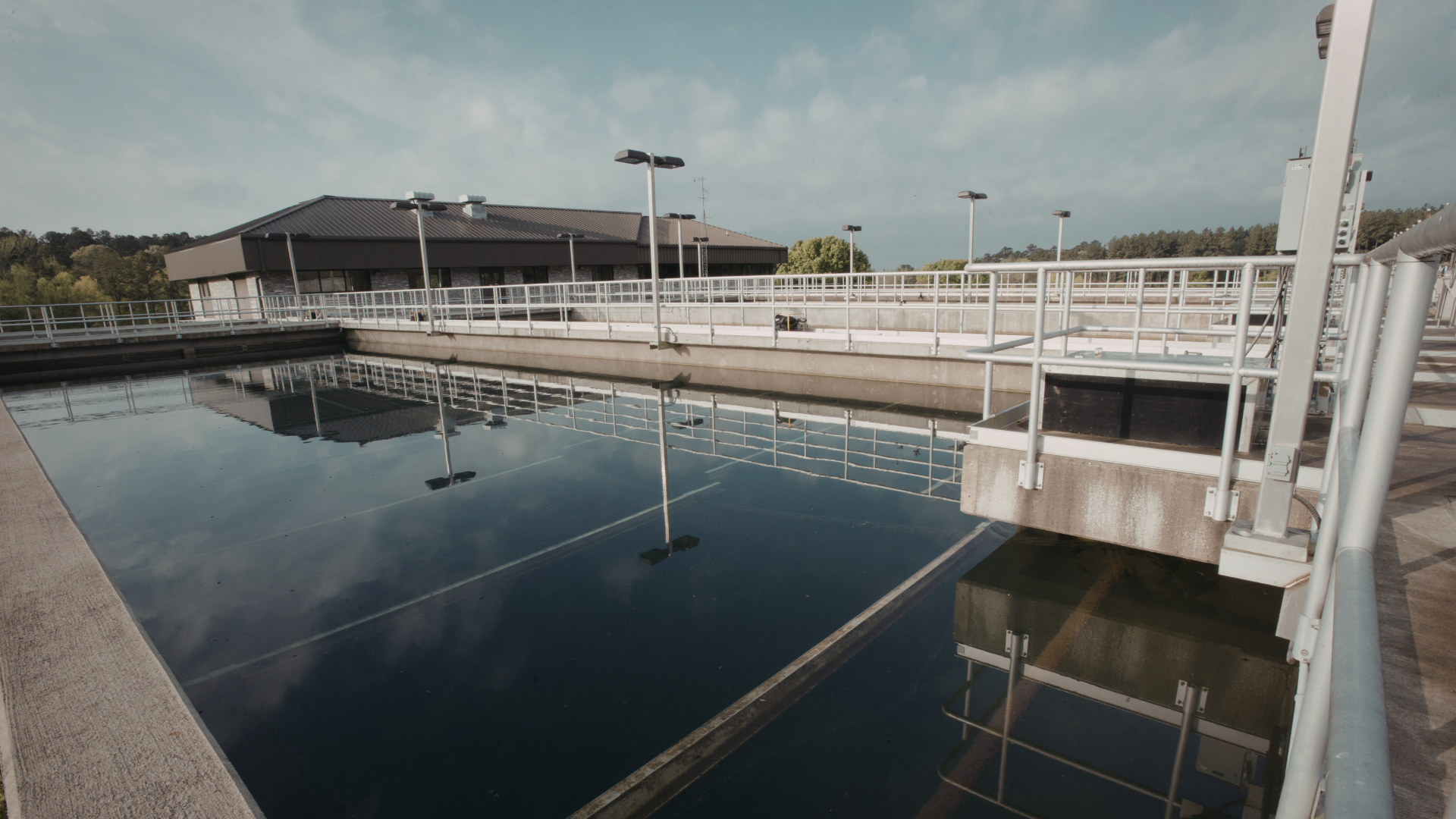
One of the most frequent issues is physical deterioration of pipes, pumps, and treatment components. Corrosion, material breakdown, and joint failure can all lead to leaks or reduced system performance.
Other common problems include:
Pipe leaks and water loss due to corrosion or cracking
Pump failures and reduced system efficiency
These issues often result in higher operating costs, unexpected downtime, and increased strain on surrounding infrastructure.
System Capacity and Performance Issues
Many older systems were designed for smaller populations or lower industrial demand. As communities grow, these systems may struggle to keep up with increased flow and usage requirements.
This can lead to slow processing, frequent overflows, or inconsistent system performance during peak demand periods.
Operational and Maintenance Challenges
Aging infrastructure often requires more frequent repairs and inspections. However, limited access to replacement parts or outdated system designs can make maintenance more difficult and time-consuming.
Common operational challenges include:
Increased maintenance frequency and cost
Difficulty sourcing compatible replacement components
These challenges place additional pressure on maintenance teams and utility budgets.
Environmental and Public Impact Concerns
When water and wastewater systems fail, the effects can extend beyond operational issues. Leaks, overflows, or treatment failures can impact surrounding environments and create public health risks.
Even small system failures can contribute to long-term environmental strain if not properly managed or repaired.
The Importance of Proactive Upgrades
Addressing aging infrastructure early is often more cost-effective than waiting for system failure. Planned upgrades, replacements, and rehabilitation work help extend system life and improve reliability.
Modern materials and construction methods can significantly improve performance compared to older systems.
Why Experience Matters
Upgrading or repairing aging water and wastewater infrastructure requires careful planning, technical expertise, and coordination across multiple disciplines. From fabrication and piping to construction and installation, every phase plays a role in long-term system performance.
JL Bryson Inc. provides industrial and municipal construction, fabrication, machining, and installation services that support infrastructure rehabilitation and system improvements.
Need Help with Aging Infrastructure?
Whether you are planning system upgrades, addressing recurring maintenance issues, or preparing for infrastructure replacement, having an experienced construction partner is essential for long-term reliability.
Contact JL Bryson Inc. to learn more about industrial and municipal construction solutions designed to improve and support aging water and wastewater systems.