
Custom Metal Fabrication vs Off-the-Shelf Components: Which Is Better?
When planning an industrial, municipal, or construction project, one of the key decisions is whether to use off-the-shelf parts or invest in custom metal fabrication. Both options have value, but the right choice depends on the project’s requirements, timeline, and long-term goals.
At JL Bryson Inc., we help clients design and build solutions that match real-world conditions—whether that means custom-fabricated components or integrating standard parts into a larger system.
What Are Off-the-Shelf Components?
Off-the-shelf components are pre-manufactured parts that are mass-produced and readily available. These are commonly used in a wide range of applications and are designed to fit general industry needs.
They are often chosen because they are:
Easily available
Faster to source
Typically lower upfront cost
Standardized for common applications
These parts work well when project requirements are straightforward and flexibility is not a major concern.
What Is Custom Metal Fabrication?
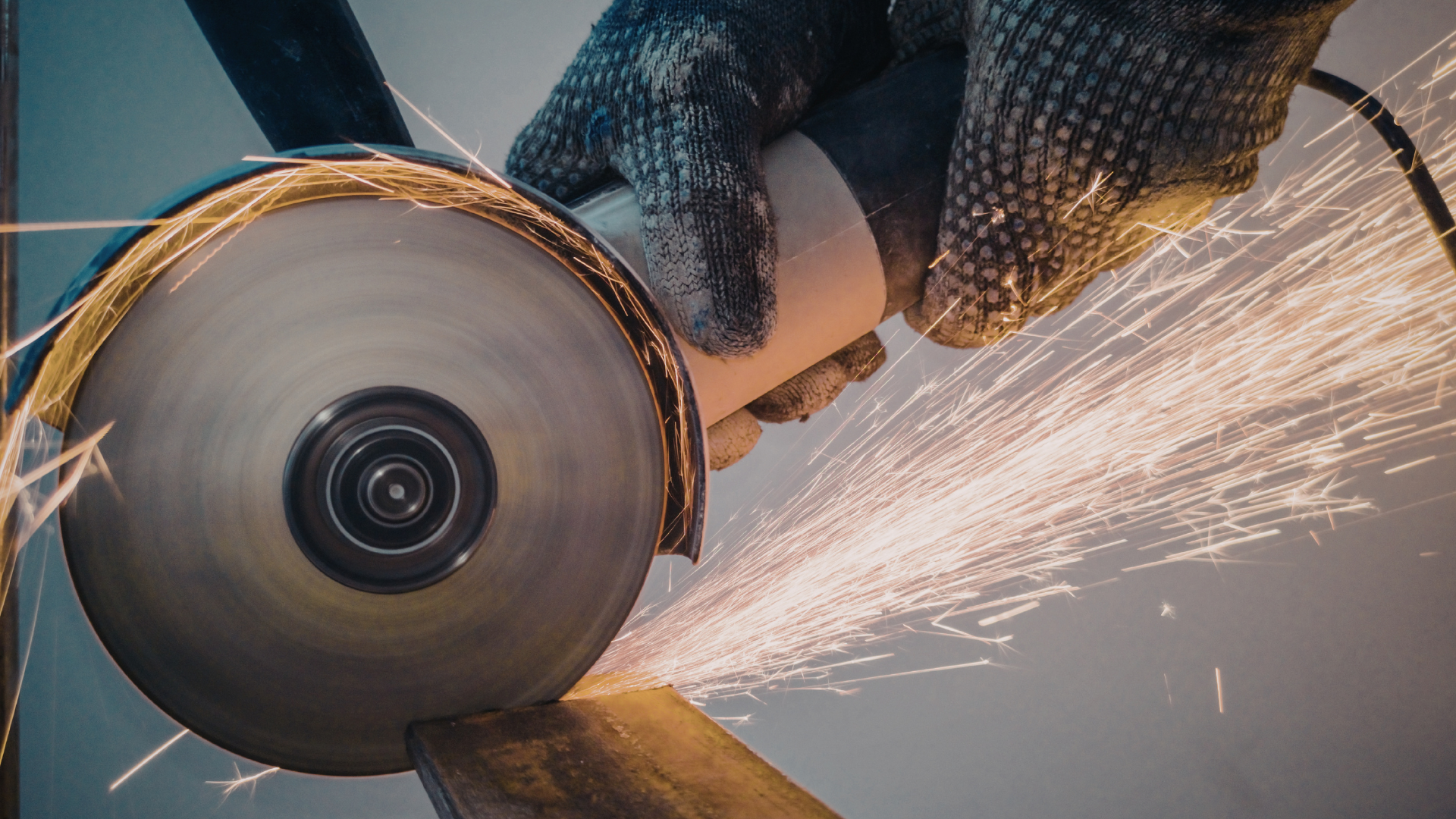
Custom metal fabrication involves designing and building parts specifically for a project’s unique needs. Instead of adapting a project to fit a standard part, the part is built to fit the project.
This approach is commonly used when projects require:
Specific sizing or dimensions
Unique performance requirements
Integration with existing systems
Higher strength or durability needs
Custom fabrication allows for more control over the final result, especially in complex or specialized environments.
When Off-the-Shelf Parts Make Sense
Standard components can be a practical choice in the right situations.
They are often used when:
The application is common or standardized
Time is a major factor
Budget constraints are a priority
Minimal customization is required
For simpler projects, off-the-shelf parts can help move work forward quickly and efficiently.
When Custom Fabrication Is the Better Choice
Custom fabrication becomes the better option when precision, performance, or integration matters.
It is often the right fit when:
Equipment or systems require exact specifications
Standard parts don’t fit properly
Strength or durability needs are higher than average
The project involves specialized industrial or municipal systems
In these cases, custom-built components can reduce future issues and improve long-term performance.
Key Differences to Consider
While both options can be effective, the main differences come down to flexibility and fit.
Off-the-shelf parts: faster and standardized
Custom fabrication: tailored and precise
Choosing between them often depends on whether speed or customization is the higher priority for your project.
Why the Right Choice Matters
Selecting the wrong type of component can lead to fit issues, inefficiencies, or future maintenance problems. On the other hand, choosing the right approach early can improve performance, reduce downtime, and extend the life of your system.
That’s why it’s important to evaluate not just cost, but also how the part will function within the full system.
How JL Bryson Helps
JL Bryson Inc. provides both fabrication expertise and project experience across industrial and municipal work. Our team helps clients determine whether custom fabrication or standard components are the best fit for their specific application—and builds solutions designed to perform in real-world conditions.
Need Help Choosing the Right Solution?
If you’re deciding between custom fabrication and off-the-shelf components, our team can help you evaluate your project and recommend the most effective approach.
Contact JL Bryson Inc. today to discuss your needs and get a solution built for performance, reliability, and long-term value.