
What Is the Difference Between Fabrication, Machining, and Installation?
In industrial and construction work, terms like fabrication, machining, and installation often get used together—but they are not the same thing.
Each one plays a different role in how a project moves from an idea to a finished, working system. Understanding the difference helps clarify how projects are built, assembled, and brought into operation.
At JL Bryson Inc., these services often work together to help deliver complete project solutions.
Fabrication: Building the Parts and Structures
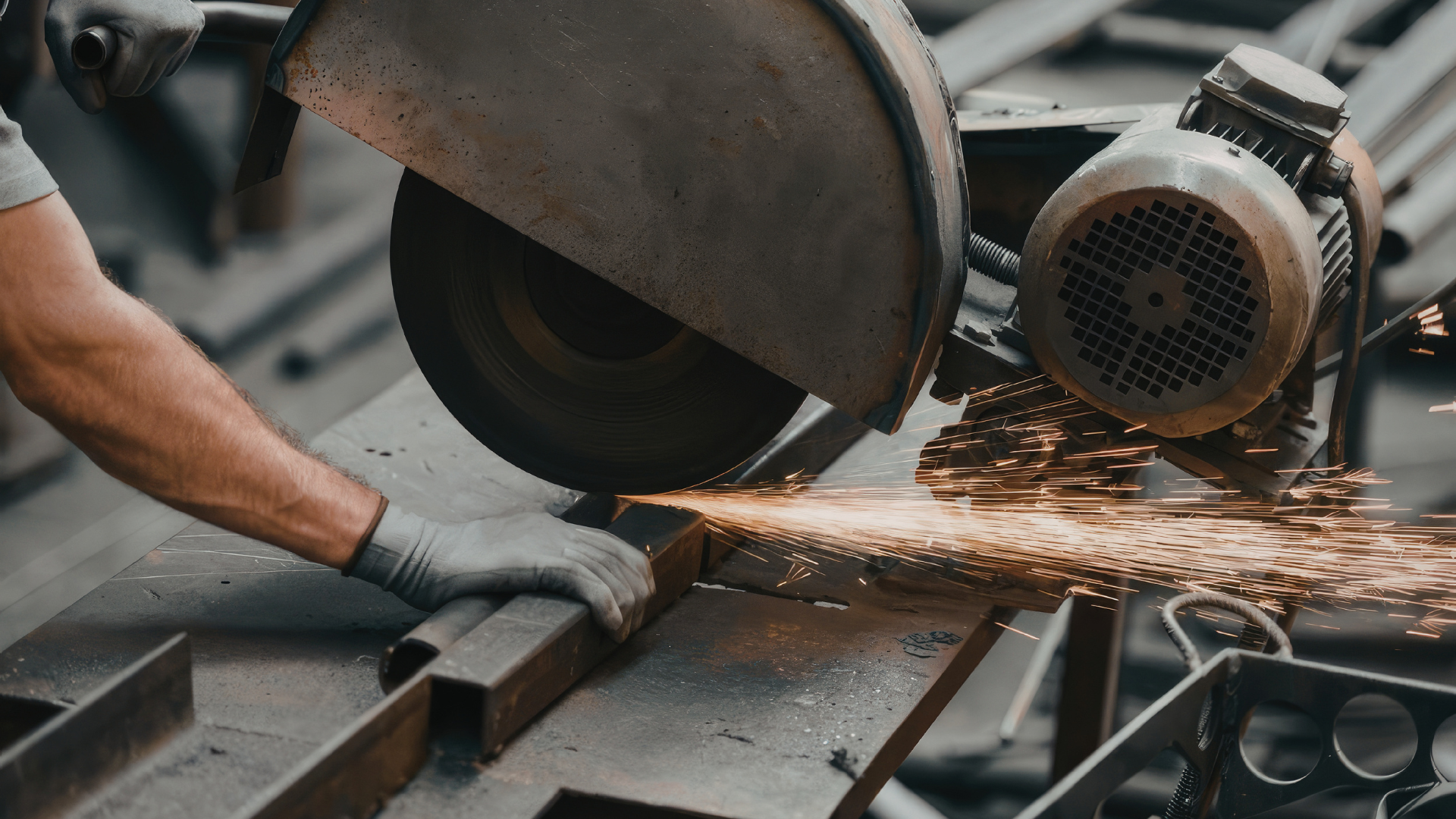
Fabrication is the process of cutting, shaping, and assembling raw materials—often metal—into finished components or structures.
This can include everything from simple brackets to complex structural assemblies.
Typical fabrication work includes:
Cutting and welding steel components
Building frames, supports, and platforms
Assembling piping systems
Producing custom metal parts and structures
In short, fabrication is where materials start taking physical form based on a design.
Machining: Creating Precision Parts
Machining is more focused on precision shaping of individual parts using specialized equipment like CNC mills and lathes.
Instead of building larger assemblies, machining is about producing exact components that often need tight tolerances.
Common machining work includes:
Custom metal parts
Replacement components
Shafts, fittings, and housings
Prototyping new designs
Small to medium production runs
Machining helps produce components that meet the dimensions and tolerances required for their intended application.
Installation: Bringing Everything Together On-Site
Installation is the final stage—where fabricated and machined components are delivered, assembled, prepared for operation in the field.
This step turns individual parts into a working system.
Installation work may include:
Setting equipment and structural components in place
Connecting piping, pumps, and mechanical systems
Aligning and securing equipment
Field welding or final adjustments
Assisting with system testing and final adjustments
This is where everything comes together and becomes fully functional.
How They Work Together
While each service is different, they are closely connected in most industrial projects.
A simple way to think about it:
Machining creates precision parts
Fabrication builds assemblies and structures
Installation puts everything into operation on-site
Many projects move through all three stages before completion.
Why This Matters for Industrial Projects
When these services are handled separately by multiple vendors, communication gaps can slow projects down. But when they are integrated, work flows more smoothly from design to completion.
That is why companies like JL Bryson Inc. offer multiple capabilities under one roof, helping improve coordination, simplify project management, and support efficient project execution.
Need a Full-Service Solution?
Whether you need precision parts, custom fabrication, or installation support, JL Bryson Inc. offers a range of in-house capabilities to support your project from fabrication through installation.
Contact our team today to discuss your project and get a complete solution built for performance and reliability.