
What Is a Pump Skid System and How Is It Built?
When a facility needs to move water, chemicals, fuel, or other liquids, the pumping system often includes more than just the pump itself. Many operations choose a pump skid system because it combines the key equipment into one integrated package that can reduce field assembly.
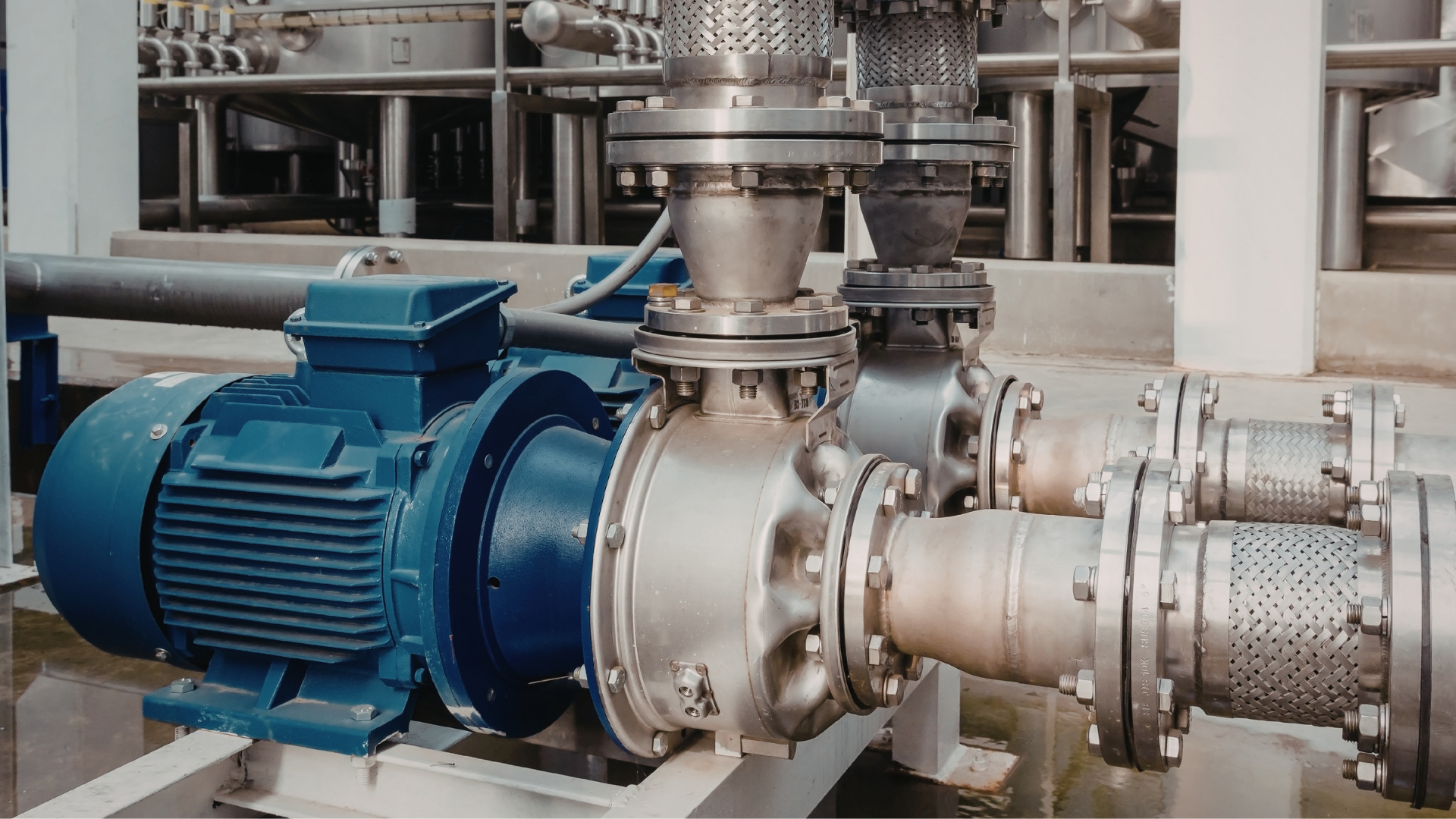
A pump skid system is a pump mounted on a steel base frame with supporting components such as a motor, piping, valves, gauges, and controls. Instead of assembling everything piece by piece on-site, the unit is built and tested before delivery, helping streamline installation at the project site. This approach is widely used in industrial and municipal settings because it can help reduce installation time and simplify startup.
Where Are Pump Skid Systems Used?
Pump skid systems are common in operations that need dependable fluid movement, including:
Water and wastewater facilities
Manufacturing plants
Chemical processing
Food and beverage production
Oil and gas operations
Agricultural systems
Because these systems are typically built for the specific application, they can be designed for different flow rates, pressures, and environments.
Why Businesses Choose Pump Skids
One of the biggest advantages of a pump skid system is efficiency. Since the system arrives largely assembled, installation time is often reduced. That can mean less disruption to operations and faster project completion.
They also help with consistency. Components are designed to work together, maintenance access can be planned in advance, and factory testing can often be completed before the unit is delivered to the job site.
How Is a Pump Skid Built?
Every project is different, but the process usually follows a few key steps.
1. Design and Planning
The builder first gathers information about the liquid being pumped, required pressure, flow rate, available space, and operating conditions. This helps ensure the system is built for the real demands of the job.
2. Fabrication
The steel skid frame is cut, welded, and prepared to support the full package. Then pumps, piping, valves, and accessories are installed.
3. Controls and Electrical
Depending on the application, the system may include sensors, control panels, alarms, or automation features to improve monitoring and operation.
4. Testing
Before delivery, the unit is inspected and tested to verify assembly, functionality, and overall system operation.
Why Custom Builds Matter
Off-the-shelf equipment works in some situations, but many facilities need a system built around their exact process. A custom pump skid can be designed to meet specific performance requirements, fit available space, and integrate more smoothly with existing operations.
That’s where JL Bryson Inc. brings value. With in-house fabrication, machining, manufacturing, and construction capabilities, our team builds pump skid systems designed to support dependable operation from day one.
Need a Pump Skid System Built for Your Operation?
Whether you need a new installation, replacement unit, or custom package, JL Bryson Inc. can help. Contact us today to discuss your project and get a solution built to perform.