
What is a Lift Station and How Does it Work?
In municipal wastewater systems, moving wastewater from one location to another is not always possible using gravity alone. In areas with changing elevation, long distances, or underground infrastructure constraints, lift stations play a critical role in keeping systems operating properly.
A lift station is a key component of many wastewater collection systems, designed to move wastewater from lower elevations to higher elevations so it can continue flowing toward a treatment facility.
At JL Bryson Inc., lift stations are one of many infrastructure systems involved in municipal and industrial construction projects, including wastewater systems, process piping, fabrication, and facility upgrades.
What Is a Lift Station?
A lift station, also called a pump station, is a facility that moves wastewater from a lower elevation to a higher elevation using pumps and piping systems.
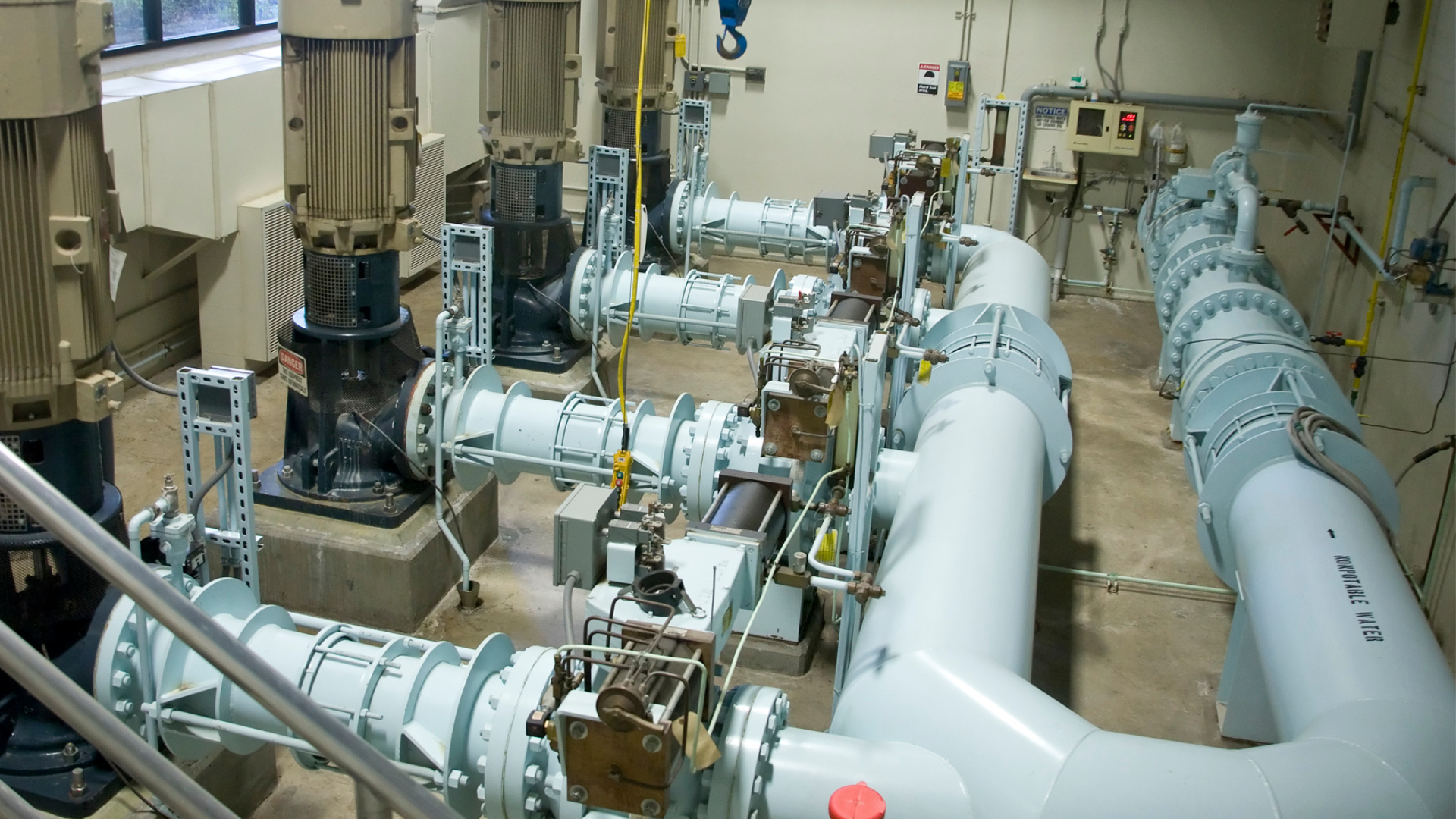
Without lift stations, wastewater systems in areas with uneven terrain or long transport distances would struggle to maintain proper flow. These systems are commonly used in municipal wastewater systems, industrial facilities, and commercial developments.
Lift stations help ensure wastewater continues moving efficiently through the collection system and toward treatment.
How Does a Lift Station Work?
A lift station collects wastewater in an underground structure called a wet well. When the wastewater reaches a set level, pumps automatically turn on and move the wastewater through a force main pipe to its next destination.
Typical lift station components include:
Wet well
Pumps and piping
Valves and controls
Alarm systems
Backup power systems
These systems operate automatically and are designed for continuous service with minimal interruption.
Why Lift Stations Are Important
Lift stations are essential for maintaining reliable wastewater infrastructure. Without them, systems could experience backups, overflows, and service disruptions.
They help maintain steady flow, support environmental protection, and improve overall system reliability. Because they operate continuously, proper design, construction, and maintenance are essential.
Common Lift Station Issues
Like any mechanical system, lift stations can experience wear over time. Common issues include pump failure, clogged piping, corrosion, electrical problems, and debris buildup.
Power interruptions and aging equipment can also impact performance. Routine inspections and preventative maintenance help reduce the risk of unexpected failures and costly repairs.
Construction and Installation Considerations
Lift stations require coordination between mechanical, structural, electrical, and piping systems. Proper installation is critical for long-term performance and reliability.
Typical construction activities include:
Excavation and concrete work
Piping and pump installation
Electrical integration and controls
Experienced contractors help ensure systems are built safely and operate as intended from startup.
Why Experience Matters
Municipal and industrial infrastructure projects require technical expertise and careful coordination. Every component must function together reliably to support long-term system performance.
JL Bryson Inc. provides industrial and municipal construction, fabrication, machining, and process piping services that support critical infrastructure systems.
Need Support for Your Next Project?
Whether you are planning a new lift station, upgrading existing infrastructure, or expanding a wastewater system, having an experienced construction partner can help ensure reliable results.
Contact JL Bryson Inc. today to learn more about industrial and municipal construction services.